

To support our reviews and guides, we participate in the Amazon Associates program. This means that if you click on a link and make a purchase, we may receive a small commission at no extra cost to you.”
When it comes to home safety, finding the best natural gas detectors is the ultimate way to prevent a silent, invisible threat from creeping through your walls. Picture this: It is a chilly Tuesday evening in November. You are wrapped up in your favorite oversized blanket, holding a mug of hot cocoa, and watching a classic movie in your living room. The house feels entirely warm, cozy, and safe. However, beneath that perfect layer of comfort, a hidden crisis could be striking. Investing in reliable gas detection ensures your sanctuary stays truly protected.
Many of us love the efficiency of gas stoves, water heaters, and fireplaces because they keep our homes functional and our utility bills manageable. Additionally, while these appliances are highly convenient, they introduce serious risks that you simply cannot ignore. For instance, natural gas and propane are highly explosive, while toxic carbon monoxide can build up without making a sound. Consequently, investing in the best natural gas detectors is the ultimate way to protect your household from these invisible, silent threats.
If you think your standard smoke alarm has your back here, I have some bad news for you. It doesn’t. To truly protect your family, property, or rental investments, you need a specialized natural gas and propane detector. I am going to walk you through exactly why these devices are necessary, how they work, and how to pick the right one for your setup.
Understanding the Invisible Risks: Methane, Propane, and Carbon Monoxide
Before we look at the hardware, let’s break down what we are actually fighting against. Not all gases behave the same way, and knowing the differences can quite literally save your life.
- Natural Gas (Methane): This is what pumps into most urban and suburban U.S. homes for cooking and heating. Methane is lighter than air. If there is a leak, it rises straight to your ceiling.
- Propane (Liquefied Petroleum or LP Gas) is highly common in rural properties, outdoor grills, and recreational vehicles. However, because propane is significantly heavier than air, its behavior during a leak is incredibly dangerous. Specifically, it sinks directly to the floor and fills up basements or low-lying corners like invisible water. Consequently, you must place your best natural gas detectors low to the ground to ensure they sense this pooling gas before it creates an explosive hazard.
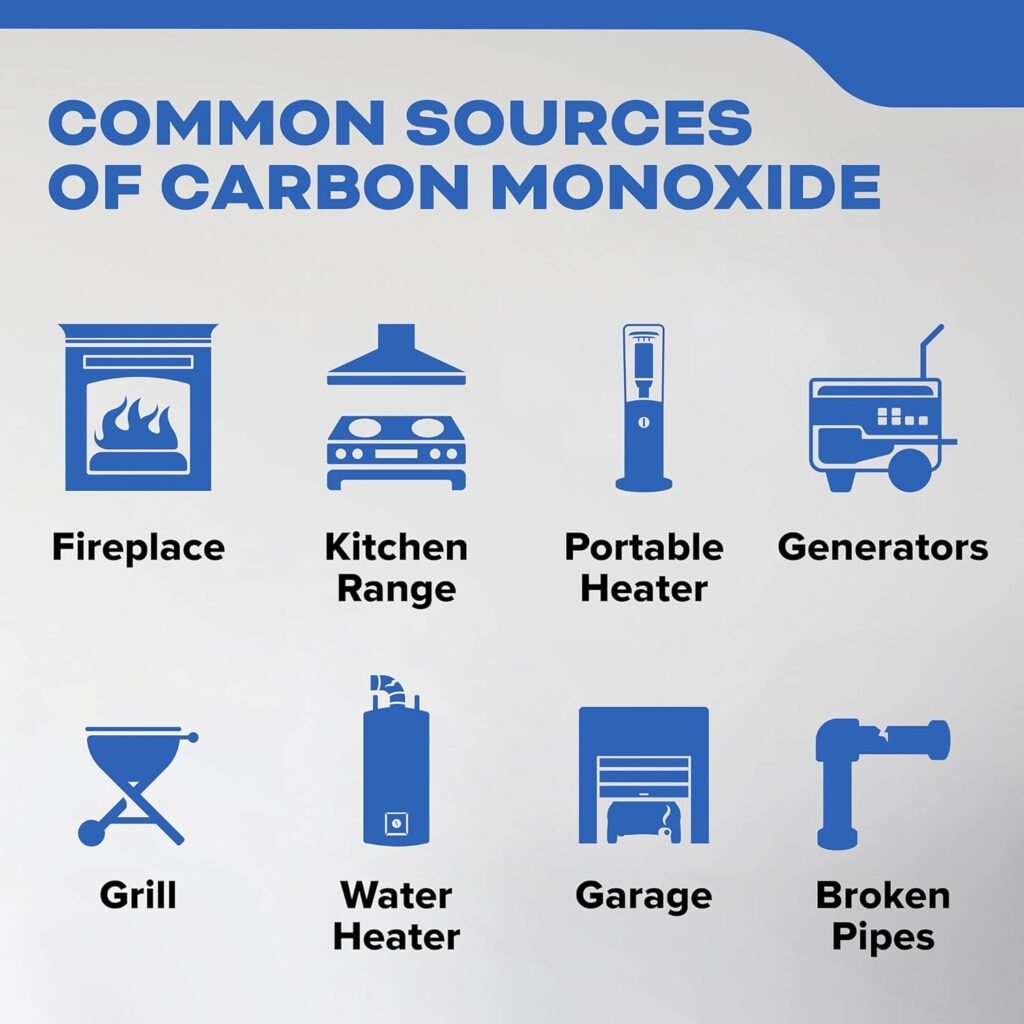
- Carbon Monoxide (CO): This isn’t a raw fuel leak. CO is a poisonous byproduct that happens after fuel burns improperly—like a malfunctioning furnace or blocked chimney. It is entirely odorless and deadly.
Frequently Asked Questions: Everything You Need to Know
When I talk to homeowners, landlords, and parents about gas safety, the same questions pop up every time. Let’s answer them cleanly and directly.
1. Can a single detector detect both natural gas and propane?
Yes, absolutely. Many specialized combustible gas detectors are built with advanced sensors capable of identifying both natural gas (methane) and propane. However, because these two gases have completely opposite weights, your physical placement strategies must account for both threats. For example, methane is lighter than air, which means it will naturally rise toward your ceiling. On the other hand, propane is heavier than air, so it tends to pool along the floor. Consequently, you must place your best natural gas detectors at the correct heights to ensure they catch these dangerous leaks before it is too late.
2. Where should a natural gas and propane detector be placed?
Placement is everything, and it depends on your primary target:
- Natural Gas Detector Ceiling Placement: Because methane rises, place these units within 12 inches of the ceiling.
- Propane Placement: Because propane sinks, mount these units low to the ground, roughly 12 inches above the floor.
A quick note: If you buy a single combination unit and use it as a plug-in natural gas alarm in a standard wall outlet, it will easily catch propane at floor level. However, it may take significantly longer to register a ceiling-bound natural gas leak. Specifically, since methane rises rapidly, a low outlet leaves a dangerous safety gap. Therefore, if your home primarily uses natural gas, mounting the unit higher up using an extension cord is highly recommended. As a result, you will ensure the best natural gas detectors in your home can trigger the alarm the exact moment a leak begins.
3. Does a standard smoke detector or carbon monoxide alarm detect gas leaks?
No, they don’t. Standard smoke alarms only spot combustion particles from active fires, and standalone CO alarms only look for toxic post-combustion gas. Neither can recognize raw, unburned fuel lines leaking into your kitchen. You specifically need a combustible gas detector for home protection.
4. What is the difference between natural gas and carbon monoxide?
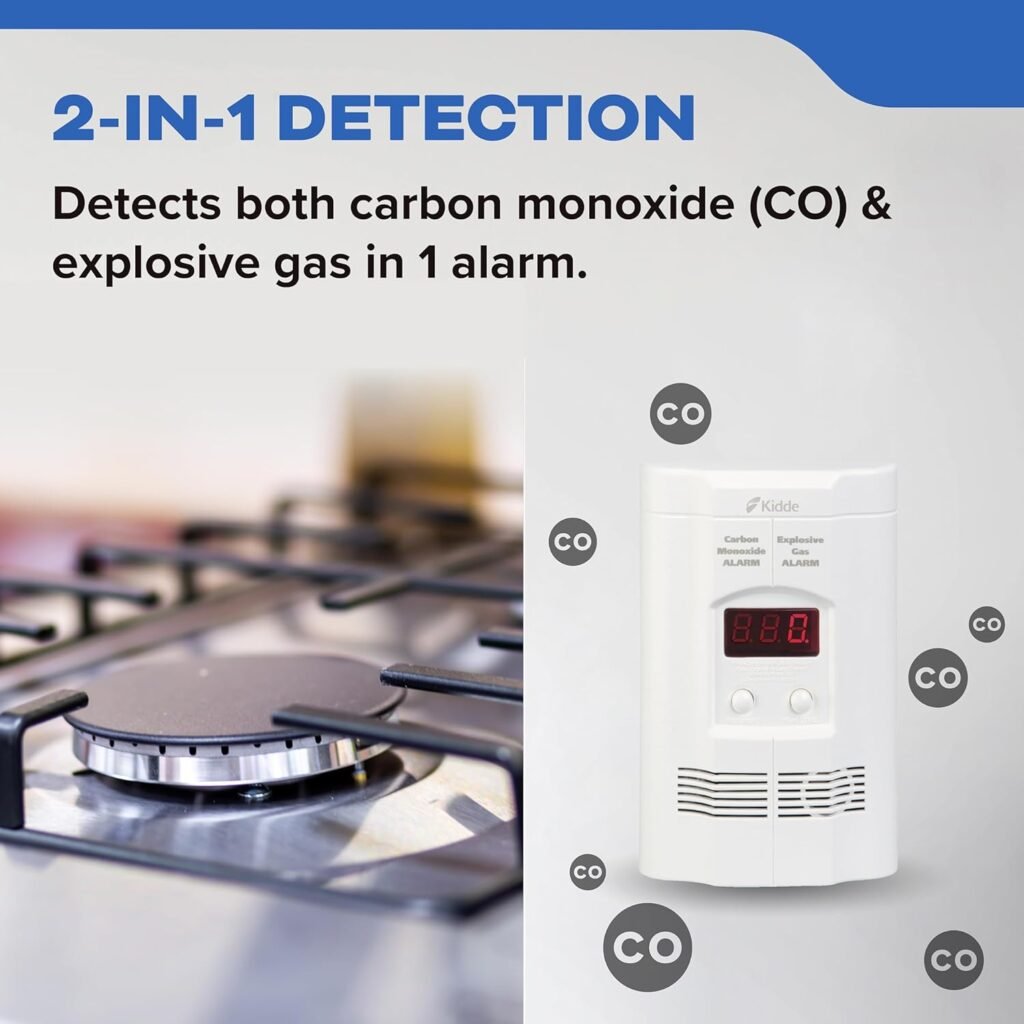
Natural gas is an unburned fossil fuel used to power your appliances; it is highly explosive and presents an immediate fire hazard. Carbon monoxide ($CO$) is a toxic, odorless byproduct created after fuel burns incorrectly. One blows the house down; the other quietly poisons the air.
| feature | natural gas (methane | carbon monoxide (co) |
| source | utility lines,gas,stoves | malfuctioning appliance |
| primary danger | explosion and fire risk | poisoning and suffocation |
| behavior in air | rises to the ceiling | disperses evenly in room |
5. Why do natural gas and propane smell like rotten eggs?
6. What should I do if my gas detector goes off?
First, do not touch any electrical switches, and do not use a phone inside your house. A single tiny spark from flipping a light switch can ignite the room. Evacuate everyone—including your pets—immediately. Leave the front door wide open as you run out to help ventilate the structure. Once you are safely down the street, call 911 or your utility company.
7. How long do natural gas and propane detectors last?
Most residential explosive gas sensors have an operational lifespan of 5 to 7 years. Modern units usually include an automated “End of Life” (EOL) chirp pattern to alert you when the internal components have degraded and need a replacement.
8. What causes false alarms on a home gas detector?
These sensors are incredibly sensitive. High concentrations of everyday household chemical vapors can sometimes trigger them. Common culprits include hairsprays, heavy cooking oils, alcohol-based cleaning agents, aerosol solvents, or even localized sewer gas coming up from a dry drain.
9. Are there battery-only natural gas alarms, or do they have to be plugged in?
Combustible gas sensors use an internal heating element to process air samples continuously; consequently, they pull significantly more power than a standard smoke alarm. Because of this high energy demand, the vast majority of these devices are designed as plug-in or hardwired units. Fortunately, they almost always include reliable battery backups to ensure protection during unexpected power outages. However, some modern manufacturers now offer specialized, fully battery-operated natural gas alarms that achieve impressive 10-year lifespans by utilizing low-power sensor technology. Therefore, finding the best natural gas detectors for your layout depends entirely on whether you have an available wall outlet or prefer a long-life lithium battery setup.
10. What does “LEL” mean on a gas detector screen?
LEL stands for Lower Explosive Limit. It is the lowest concentration of gas in the air that can cause an explosion if a spark occurs. When your combustible gas detector with a digital display reads “10% LEL,” it means it is sounding the alarm long before the air reaches a truly critical explosive threshold.
Choosing the Right Safety Gear: Top Market Solutions
To make your life easier, I have mapped out some of the most reliable options available today. They generally fall into two groups: fixed household alarms for continuous monitoring and portable handheld sniffers for finding specific leaks.
Continuous Home & RV Safety Monitors
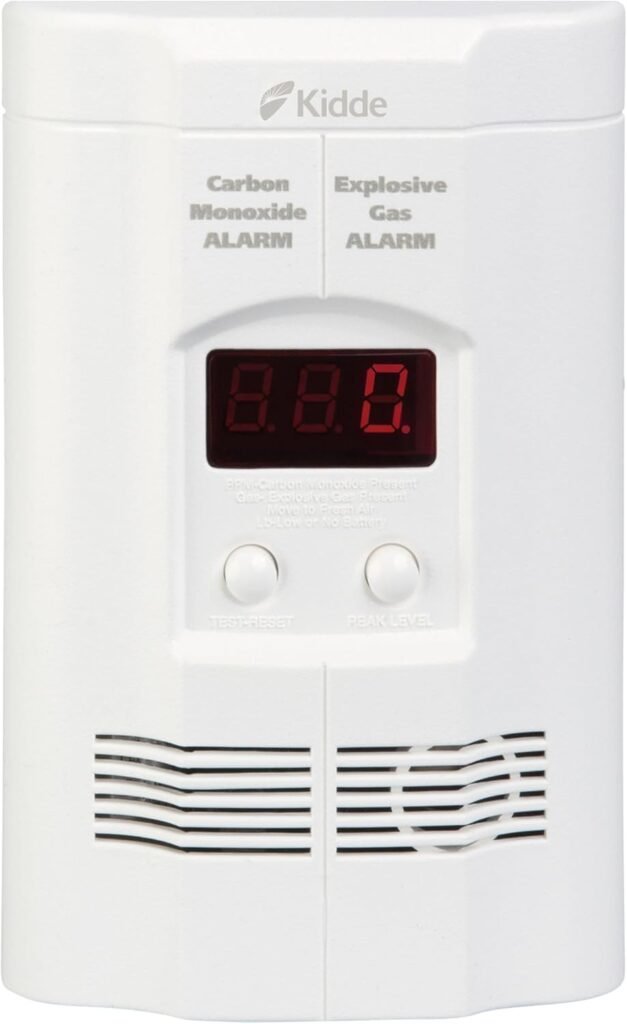
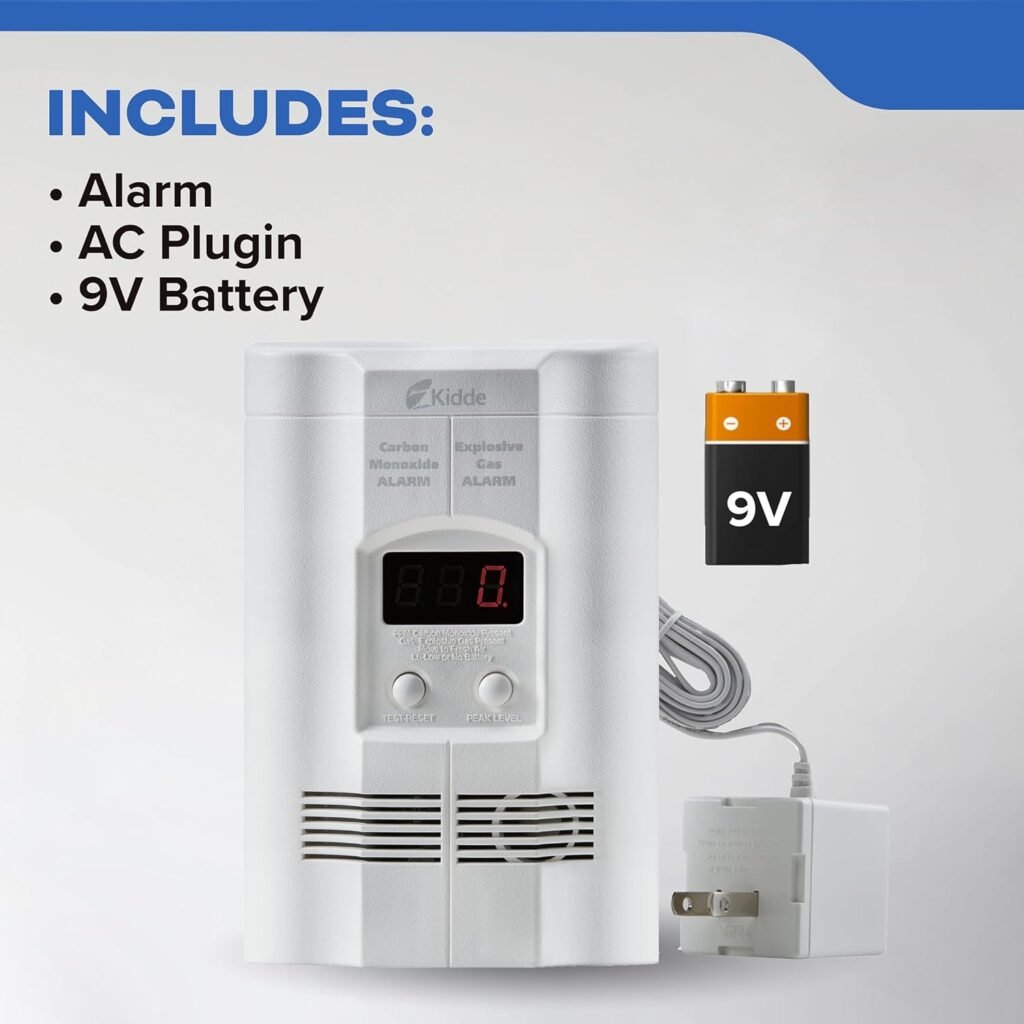
- Kidde Nighthawk Carbon Monoxide & Explosive Gas Alarm (KN-COEG-3): A popular plug-in option that tracks CO, methane, and propane simultaneously, featuring a reliable digital display.
- First Alert GC01CN Combination Alarm: A highly rated plug-in model with a backlit screen and battery backup.
- MTI Industries Safe-T-Alert 35 Series: A rugged 12V DC system built specifically as an RV propane detector replacement.
- GasKnight Ultra Smart Gas Detector: A Wi-Fi-enabled smart alarm that sends emergency push alerts straight to your phone.
Portable Handheld Sniffers (For Spot-Checking)
1.TOPTES PT520A Gas Leak Detector: Features a flexible gooseneck probe to check behind kitchen stoves and around old pipe joints.
2.Klein Tools ET120 Combustible Gas Leak Detector: A durable tool favored by professionals that tracks methane and propane down to 50 ppm.
3.TOPTES PT199 Compact Gas Detector: A pen-sized pocket sniffer perfect for inspecting outdoor grills or camping gear quickly.
The Verdict: Don’t Wait for the Smell Test
At the end of the day, investing in a high-quality gas detector isn’t about buying another piece of plastic for your wall. It is about creating a reliable safety net for your home, your tenants, or your children. Don’t wait until you smell that unmistakable rotten egg odor in the middle of the night. Take action today, check your appliance connections, and make sure your home is truly as safe as it feels.